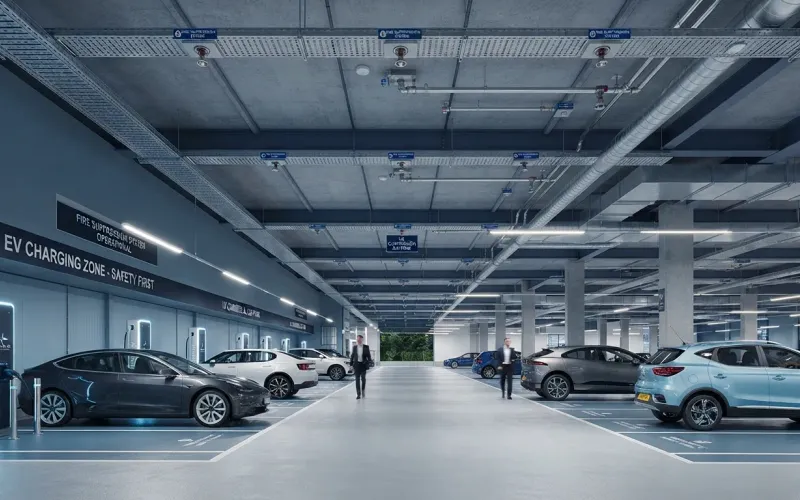
Electric vehicles have changed the fire risk profile in car parks, fleet depots, and charging hubs. While they do not create a unique risk in every setting, they do require fire strategies that reflect how lithium-ion battery fires behave.
The main challenge is thermal runaway. Once a battery enters this state, the fire can continue inside the battery pack even if flames outside the vehicle appear to be under control. That makes EV incidents very different from conventional vehicle fires, and it means a standard sprinkler-only approach may not be enough.
What thermal runaway means
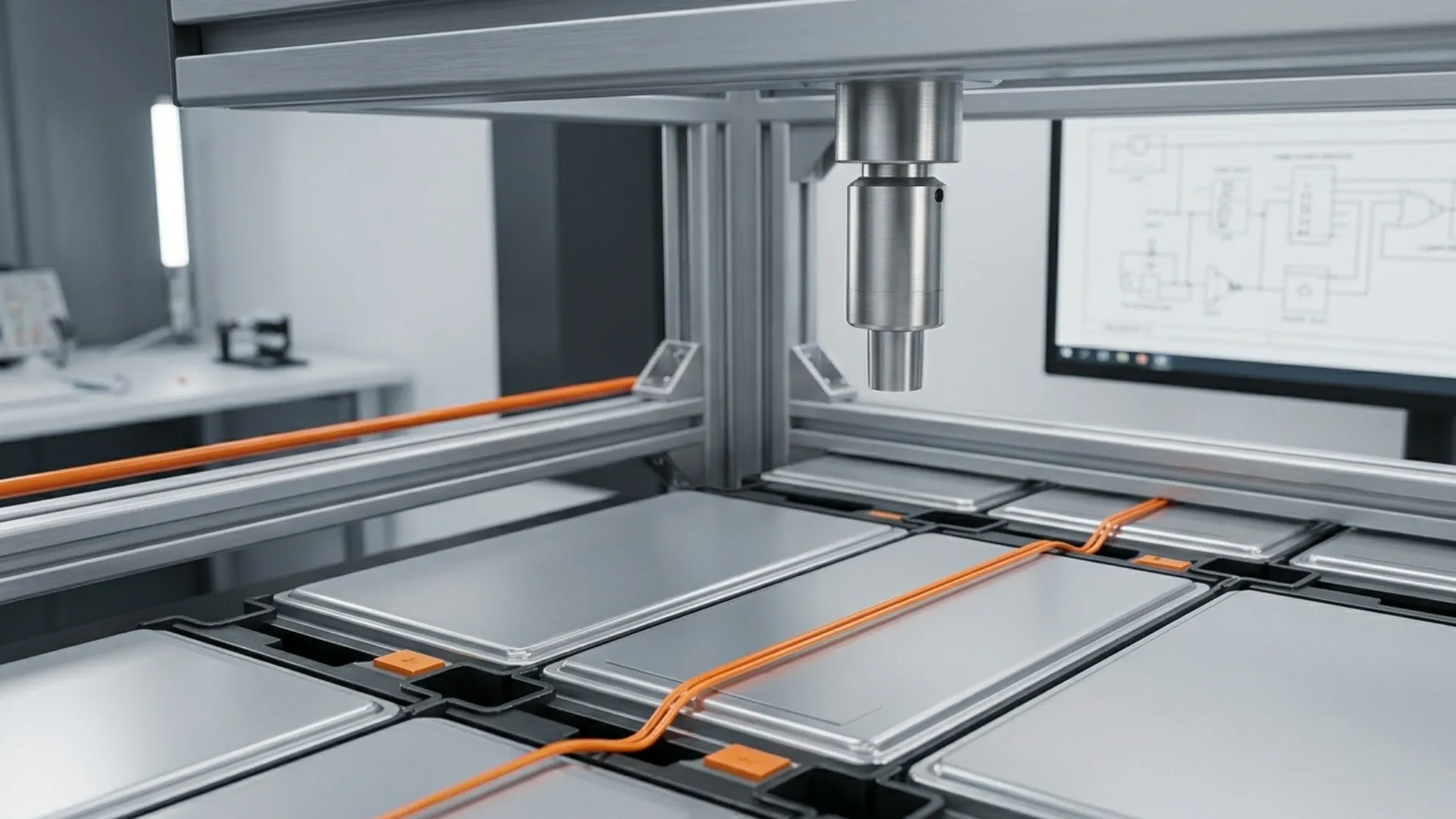
Thermal runaway is a self-sustaining reaction inside a lithium-ion battery cell. It can be triggered by damage, internal defects, overcharging, or prolonged exposure to heat.
Once it begins, the battery can generate intense heat, vent flammable gases, and reignite after the first signs of suppression. That is why EV fires often need a response that goes beyond ordinary fire spread control.
Where sprinklers help, and where they do not
Traditional sprinklers still have an important role. They can help slow fire spread, protect the building structure, and improve conditions for firefighters.
What they generally cannot do on their own is stop thermal runaway inside the battery pack. For that reason, sprinklers should be seen as one part of a wider fire strategy, not the complete solution.
What a stronger EV fire strategy includes
A practical EV fire strategy usually combines several measures:
- Early detection linked to the building management system
- Smoke control and ventilation designed for enclosed spaces
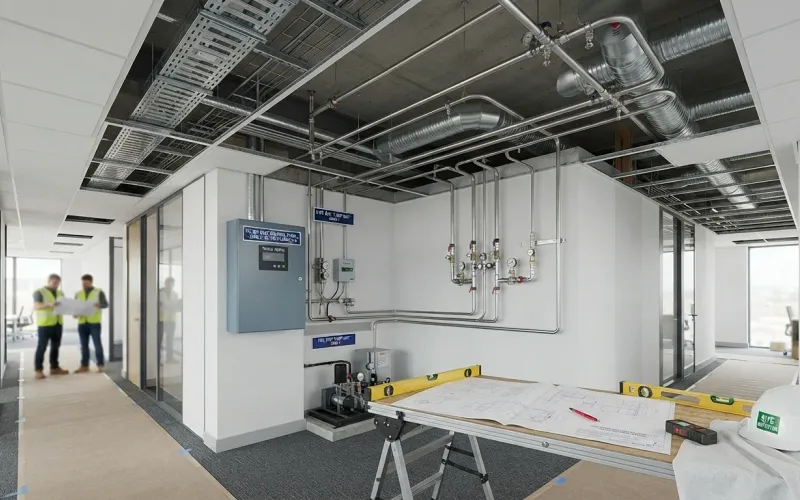
- Water supply planning for prolonged cooling
- Localised suppression for defined charging or parking zones
- Fire-resistant compartmentation and sensible vehicle spacing
- Re-ignition monitoring after the incident
- Runoff containment and environmental protection
In some settings, high-pressure water mist or deluge systems may be suitable. The right choice depends on the site, the layout, and the level of risk. There is no single system that suits every car park or charging hub.
What operators should review
Before deciding on a system, operators should consider:
- The number of EVs and the charging pattern
- Whether the site is underground or enclosed
- Ceiling height, ventilation, and bay spacing
- Water pressure, tank size, and refill capacity
- Drainage and contaminated runoff management
- Maintenance and inspection procedures
- How staff will respond if a fire starts
The takeaway
EV fires are not the same as conventional vehicle fires, so they should not be managed with a one-size-fits-all approach. Traditional sprinklers still play an important role, but they are usually not enough on their own to deal with battery thermal runaway.
A stronger strategy combines detection, suppression, ventilation, water planning, and operational procedures tailored to the site.
See our guidance on EV car park fire protection or contact our engineering team for a site-specific review.