Suppression only performs as well as the signal that starts it. A well-designed water mist or gas system can still fail the fire strategy if detection is slow, noisy with false alarms, or wired to the wrong cause-and-effect.
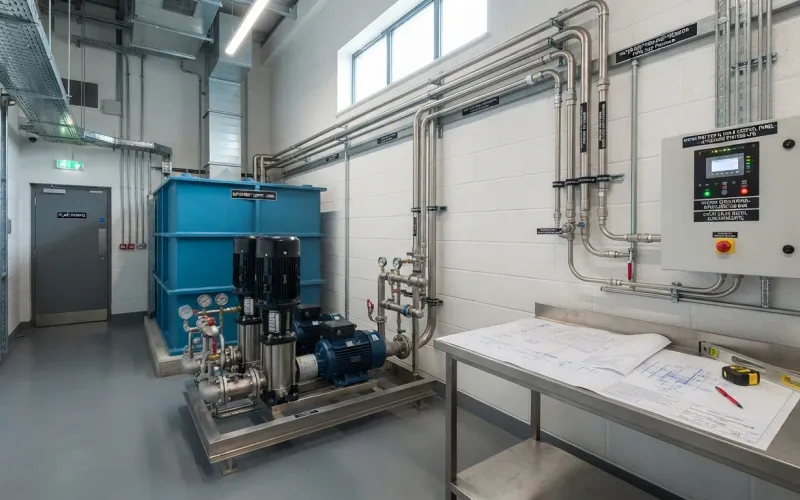
We treat detection, alarm, and control as part of the same design as the suppression. That includes detector type, zoning, power supplies, occupancy warnings, abort or isolation arrangements, and the interfaces to HVAC, dampers, and plant.
Matching detection to the hazard
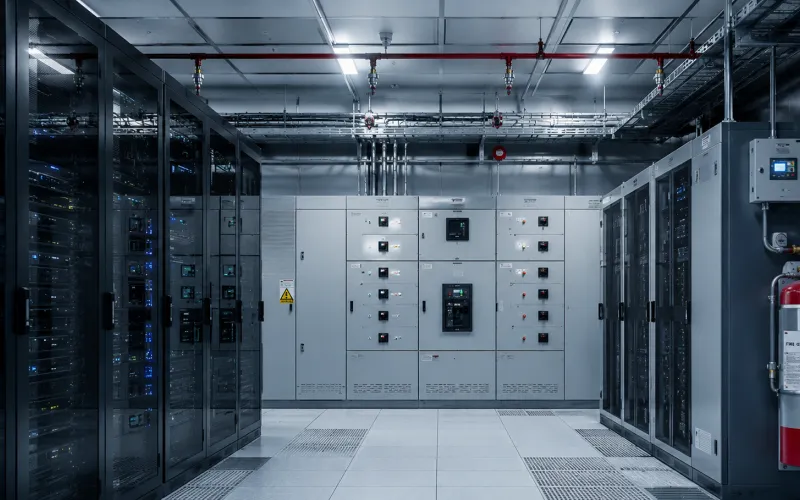
Office smoke detection is a poor default for the spaces we work in. Commercial kitchens produce heat, steam, and aerosols. Saunas run at temperatures that defeat ordinary heads. EV car parks combine vehicle fires with ventilation and structural constraints. Data halls may need very early warning alongside a suppression release path that operators can live with.
The detector is chosen for the environment. The logic is written for the building.
Commissioning and upkeep
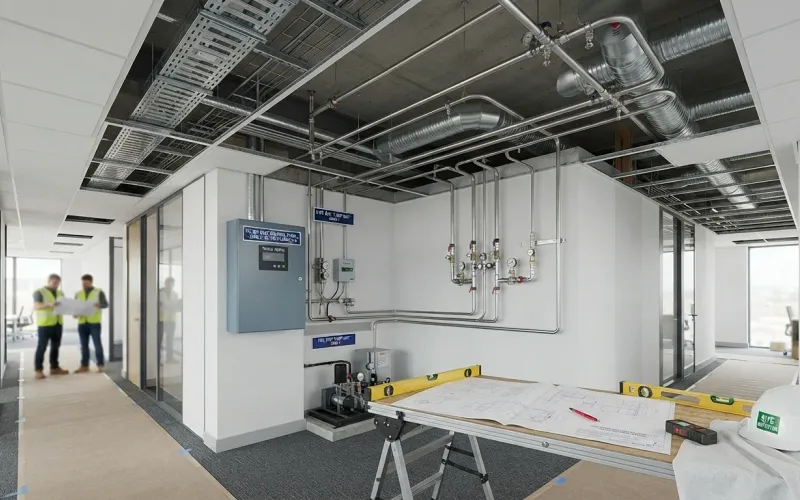
Cause-and-effect testing is where split contracts usually surface. We commission detection and suppression together, then leave operators with a pack that shows what the system is supposed to do when a zone goes into alarm.
If you are upgrading detection, adding suppression, or inheriting a panel that nobody wants to isolate, contact our engineers with the current cause-and-effect and a description of the hazard.